by James Warning
The British novelist Joseph Conrad, a man of Polish origins who did not set foot in England until his early 20s, is today considered to have been one of the greatest English prose writers of his time.1 In his novella, Heart of Darkness, Conrad’s narrator Marlow sits on the deck of a ship coming to port in London and meditates on the Roman conquest of Britain and the idea of racism and empire: “The conquest of the earth, which mostly means the taking it away from those who have a different complexion or slightly flatter noses than ourselves, is not a pretty thing when you look into it too much. What redeems it is the idea only. An idea at the back of it; not a sentimental pretence but an idea; and an unselfish belief in the idea—something you can set up, and bow down before, and offer a sacrifice to....”2
With the United Kingdom’s 2016 decision to exit the European Union, a decision in part motivated by the racial anxieties of native British citizens towards immigrants, including Polish immigrants, Conrad would probably be dismayed to find that his adopted homeland had irredeemably resolved to offer a sacrifice to “sentimental pretence.” A populist movement has proven willing to do irreversible damage to its own country in an effort to move back towards a sentimentalized past, a past before the troubling influx of an ethnic other.
Census data from Britain’s Office of National Statistics has shown that Polish is the second most commonly spoken language in the UK3 and according to a briefing paper published by the UK House of Commons library there were approximately 984,000 Polish nationals living in Britain as of 2016.4 But since the June 23 Brexit referendum there have been troubling incidents of hostility towards this substantial linguistic minority. As reported in such outlets as the Guardian5 and Reuters6, Polish immigrants in the UK have faced harassment and have been discouraged from speaking their language by locals who believe that low-skilled immigrants are driving down wages and taking jobs.
But are these racial hostilities around jobs and wages grounded in reality? A recent article in the Financial Times7 would suggest not. In interviews with business owners in the warehouse and food processing industries in the East Midlands region, FT found that there was a high level of market anxiety around finding workers to fill the low-wage jobs which locals often refuse to do and which up till now were only able to be kept filled by Polish immigrants. Thus, the uncertain future for Polish immigrants in the region presents an uncertain future to local businesses.
Likewise, many analysts have shown, including a London School of Economics report entitled “The Consequences of Brexit for UK Trade and Living Standards” by Dhingra et. al,8 that the damage to the British economy caused by a substantial decrease in trade will most likely lead to a significant decrease in living standards in the UK. The idea that retreating from the EU will allow Britain to raise living standards for locals by getting rid of immigrants, including Polish immigrants, is unsupported by empirical evidence and doesn’t stand up to scrutiny.
While it may be too late for the UK to back away from its unfortunate decision, it would be both humane and in Britain’s best interest to maintain a tolerant attitude toward its Polish immigrant population. As Joseph Conrad’s contribution to English letters demonstrates, immigrants can be a valuable resource to the United Kingdom, both in terms of their input on the labor market as well as their enrichment of the local culture. Either way, no Polish person should have to be afraid to speak their native language in Britain.
Works Cited
1. The Editors of the Encyclopedia Britannica. (2010, February). Joseph Conrad. https://www.britannica.com/biography/Joseph-Conrad
2. Conrad, Joseph. (1899). Heart of Darkness
https://www.gutenberg.org/ebooks/219
3. Booth, Robert. (2013, January). Polish becomes England’s second languagehttps://www.theguardian.com/uk/2013/jan/30/polish-becomes-englands-second-language
4. Hawkins, Oliver; Anna Moses. (2016, July). Polish population of the United Kingdom http://researchbriefings.parliament.uk/ResearchBriefing/Summary/CBP-7660
5. Ratcliffe, Rebecca. (2016, November) They tell me not to speak Polish https://www.theguardian.com/education/2016/nov/27/international-students-life-after-brexit-universities
6. Gumuchian, Marie-Louise. (2016, June). Polish migrants fearful over future after Brexit vote http://www.reuters.com/article/us-britain-eu-poles-idUSKCN0ZE26X
7. Chaffin, Joshua. (2016, November). Businesses fear losing Polish migrants after Brexit https://www.ft.com/content/209b0f44-a036-11e6-891e-abe238dee8e2
8. Dhingra, Swati et. al.(2016). The consequences of Brexit for UK trade and living standards
http://cep.lse.ac.uk/pubs/download/brexit02.pdf
Pictures:
https://commons.wikimedia.org/wiki/Joseph_Conrad#/media/File:Joseph_Conrad.PNG
https://commons.wikimedia.org/wiki/Flags_of_the_United_Kingdom#/media/File:Flag_of_the_United_Kingdom.svg
https://commons.wikimedia.org/wiki/Flags_of_the_People%27s_Republic_of_Poland#/media/File:Flag_of_Poland.svg
-----
James was a senior in Linguistics when he wrote this text in 418, 'Language and Minorities in Europe'.
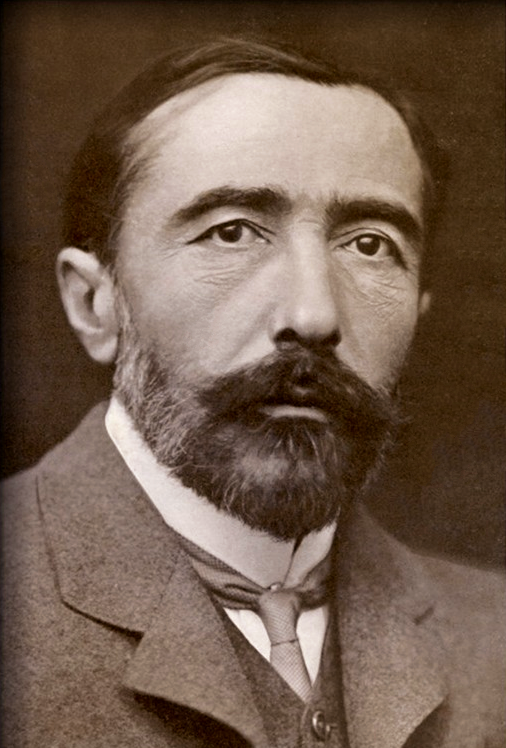 |
| Joseph Conrad (source) |
With the United Kingdom’s 2016 decision to exit the European Union, a decision in part motivated by the racial anxieties of native British citizens towards immigrants, including Polish immigrants, Conrad would probably be dismayed to find that his adopted homeland had irredeemably resolved to offer a sacrifice to “sentimental pretence.” A populist movement has proven willing to do irreversible damage to its own country in an effort to move back towards a sentimentalized past, a past before the troubling influx of an ethnic other.
 |
| Flag of the United Kingdom (source) |
But are these racial hostilities around jobs and wages grounded in reality? A recent article in the Financial Times7 would suggest not. In interviews with business owners in the warehouse and food processing industries in the East Midlands region, FT found that there was a high level of market anxiety around finding workers to fill the low-wage jobs which locals often refuse to do and which up till now were only able to be kept filled by Polish immigrants. Thus, the uncertain future for Polish immigrants in the region presents an uncertain future to local businesses.
 |
| Flag of Poland (source) |
While it may be too late for the UK to back away from its unfortunate decision, it would be both humane and in Britain’s best interest to maintain a tolerant attitude toward its Polish immigrant population. As Joseph Conrad’s contribution to English letters demonstrates, immigrants can be a valuable resource to the United Kingdom, both in terms of their input on the labor market as well as their enrichment of the local culture. Either way, no Polish person should have to be afraid to speak their native language in Britain.
 |
| (source) |
Works Cited
1. The Editors of the Encyclopedia Britannica. (2010, February). Joseph Conrad. https://www.britannica.com/biography/Joseph-Conrad
2. Conrad, Joseph. (1899). Heart of Darkness
https://www.gutenberg.org/ebooks/219
3. Booth, Robert. (2013, January). Polish becomes England’s second languagehttps://www.theguardian.com/uk/2013/jan/30/polish-becomes-englands-second-language
4. Hawkins, Oliver; Anna Moses. (2016, July). Polish population of the United Kingdom http://researchbriefings.parliament.uk/ResearchBriefing/Summary/CBP-7660
5. Ratcliffe, Rebecca. (2016, November) They tell me not to speak Polish https://www.theguardian.com/education/2016/nov/27/international-students-life-after-brexit-universities
6. Gumuchian, Marie-Louise. (2016, June). Polish migrants fearful over future after Brexit vote http://www.reuters.com/article/us-britain-eu-poles-idUSKCN0ZE26X
7. Chaffin, Joshua. (2016, November). Businesses fear losing Polish migrants after Brexit https://www.ft.com/content/209b0f44-a036-11e6-891e-abe238dee8e2
8. Dhingra, Swati et. al.(2016). The consequences of Brexit for UK trade and living standards
http://cep.lse.ac.uk/pubs/download/brexit02.pdf
Pictures:
https://commons.wikimedia.org/wiki/Joseph_Conrad#/media/File:Joseph_Conrad.PNG

https://commons.wikimedia.org/wiki/Flags_of_the_United_Kingdom#/media/File:Flag_of_the_United_Kingdom.svg

https://commons.wikimedia.org/wiki/Flags_of_the_People%27s_Republic_of_Poland#/media/File:Flag_of_Poland.svg

-----
James was a senior in Linguistics when he wrote this text in 418, 'Language and Minorities in Europe'.
Comments
Post a Comment
The moderators of the Linguis Europae blog reserve the right to delete any comments that they deem inappropriate. This may include, but is not limited to, spam, racist or disrespectful comments about other cultures/groups or directed at other commenters, and explicit language.